


Select your motorbike

Your bike
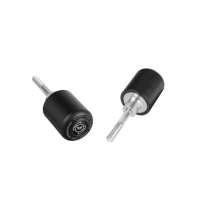
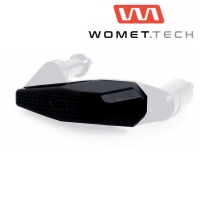
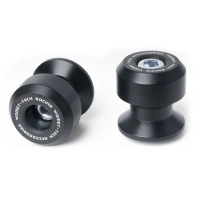
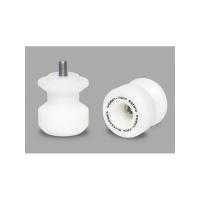
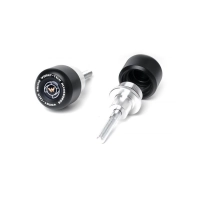
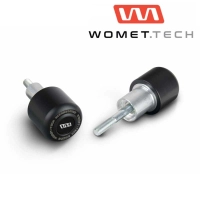
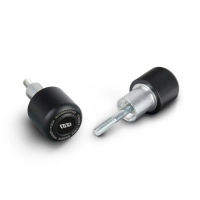
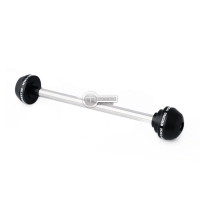
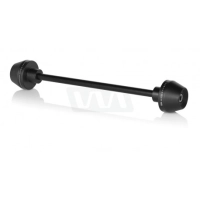
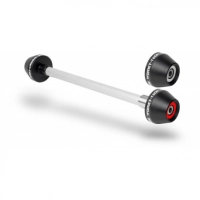
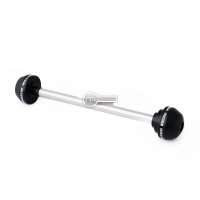
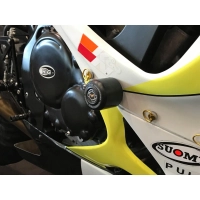
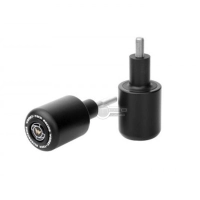
The crash pads are designed to limit damage to critical components of your motorcycle in the event of a slide or fall. They absorb and dissipate impact energy to protect the frame, engine and fairings. These pads are mounted on strategic mounting points on the chassis and often do not require any permanent modification.
The crash pads are designed to limit damage to critical components of your motorcycle in the event of a slide or fall. They absorb and dissipate impact energy to protect the frame, engine and fairings. These pads are mounted on strategic mounting points on the chassis and often do not require any permanent modification.
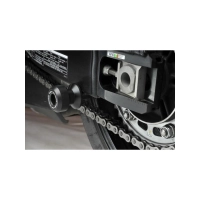
Thanks to crash pads, in the event of an accident the point of impact and abrasion is moved away from the engine casing itself and overall damage is significantly reduced. For the best results and maximum protection, it is recommended to also install fork, engine, frame and swingarm protectors.
Some models feature anodised finishes or coloured inserts for a customised look. In addition to their protective role, they offer peace of mind to riders who care about safety and the integrity of their bike, whether on the road or on the track.
FAQ – Engine protectors and crash pads
What exactly are engine crash pads used for, and what do they protect in the event of a fall?
Engine crash pads are designed to absorb the impact instead of your motorcycle. Mounted on strategic points of the engine or frame, they limit damage to the engine cases, engine block, and sometimes the frame and certain controls in the event of a fall, a low- to medium-speed slide or a simple tip-over at a standstill. On the road as well as on the track, they often help turn a potentially large repair bill into just a few protective parts to replace.
What is the difference between crash pads, engine case protectors and carbon engine guards?
Crash pads are protruding parts that make first contact with the ground, keeping the engine and frame away from the main impact point. Engine case protectors are covers or plates that sit directly over the engine cases to prevent them from cracking or being pierced. Carbon engine guards are lightweight covers that mainly protect against scuffs, gravel and scratches. The three solutions are complementary: pads absorb and slide, reinforced cases protect mechanical integrity, and carbon preserves the surface and overall appearance.
Are crash pads alone enough to protect the engine in a major fall?
Crash pads can greatly limit damage in a minor fall or moderate slide, but they cannot absorb everything in a major crash. They reduce the risk of a pierced engine case, a badly ground frame or an exposed engine, but they do not replace a complete protection package. For a motorcycle used regularly on track or ridden in a sporty way, it is recommended to combine crash pads with engine case protectors and, where possible, other chassis protections to maximise safety.
Are GB Racing engine protectors approved for track use and recognised by the FIM?
Yes, GB Racing protectors are specifically designed for intensive track use and are FIM approved. Their injected blend of nylon and fibreglass offers excellent resistance to heat, corrosive products, impacts and abrasion. They are a frequent benchmark in competition, making them a logical choice for track riders who want engine protection that complies with racing regulations.
How can I tell if an engine protection kit is compatible with my bike?
An engine protection kit is always listed by make, model and year of motorcycle. Before purchasing, it is essential to check that your bike appears in the compatibility list shown on the product page. If in doubt, it is best to refer to the diagrams, mounting photos or to contact customer service.
A universal kit may work in some cases, but a model-specific kit ensures optimal positioning and truly effective protection.
Do I need to modify the fairings to install engine protectors or crash pads?
This depends on the type of kit. Some kits can be installed without any modification, using the existing mounting points provided by the manufacturer. Others require a small cut in the fairing to allow the pad or protector to pass through at the correct location. So-called “no cut” kits avoid drilling the fairings, while kits that require cutting can sometimes offer an even more optimal position from a mechanical point of view. In all cases, any cutting must be neat to maintain a clean appearance.
Are engine protectors easy to install, or is it better to have a professional fit them?
Fitting crash pads and engine protectors is within reach of a careful rider with basic tools and enough time. It is important to follow the instructions, respect the assembly order and tighten to the recommended torque so as not to stress the engine block or frame. However, if the kit requires removal of some fairings, repositioning the radiator or very precise drilling, having the work done by a professional is strongly recommended to ensure safety and reliability.
Do carbon engine guards protect as well as GB Racing-type protectors?
Carbon guards offer good protection against scuffs, stone chips and minor slides, preserving the surface of the parts and the appearance of the bike. GB Racing-type protectors, made from nylon reinforced with fibreglass, are designed more specifically to absorb the energy of an impact or prolonged slide, making them a better choice for intensive track use. Ideally, for complete protection, reinforced engine cases should be combined with carbon covers on exposed areas.
Can fitting crash pads weaken the engine or frame in the event of an impact?
A poor-quality or incorrectly mounted crash pad can indeed transmit unwanted forces to the frame or engine block. A branded kit specifically designed for your motorcycle, on the other hand, uses mounting points that are intended to withstand mechanical loads. If the instructions are followed and torque settings are respected, the risk of weakening is very limited. The real danger mainly comes from ill-adapted universal kits or installations that do not follow the manufacturer’s guidelines.
Do crash pads or engine protectors need to be replaced after a fall?
After a fall or slide, it is recommended to systematically check the condition of all protections. If a pad is heavily ground down, deformed or cracked, it has done its job and must be replaced to provide optimal protection again. The same applies to a heavily damaged engine cover. Even if the bike appears to be only slightly affected, it is wise to also check the bolts, threads and mounting points to ensure they have not been damaged.
Do engine protectors add a lot of weight or affect handling?
Most modern engine protection kits are designed to be as light as possible. Carbon and composite guards add very little mass, while GB Racing-type protectors are engineered to offer a good compromise between strength and weight. In real-world use, the impact on handling is negligible, whereas the gain in safety in the event of a fall is considerable. Their shape and size are also designed not to interfere with lean angle or the rider’s movements.
Are carbon engine guards purely cosmetic?
Carbon guards definitely add visual appeal with a popular racing look, but they are not just for show. They provide real protection against scratches, gravel impacts and repeated friction. However, in a heavy impact they do not have the same energy-absorption capacity as a reinforced nylon or fibreglass cover. They can therefore be seen as effective protection for road use and minor slides, to be complemented by more technical protectors for intensive track riding.
Can crash pads, engine case protectors and other protections be combined on the same motorcycle?
Yes, it is not only possible but actually recommended to combine several types of protection on the same motorcycle. Frame sliders, engine case protectors, frame and swingarm guards and carbon parts can be used together to create a comprehensive package that limits damage to different areas in the event of a fall. You simply need to ensure that the kits are compatible with each other and with your model, in order to avoid mounting interference and to maintain good access to service items.
How should carbon or nylon engine protectors be cleaned without damaging them?
Engine protector maintenance is straightforward. Regular cleaning with warm water and mild soap is sufficient in most cases. It is best to avoid aggressive solvents, highly alkaline cleaners or abrasive polishes, which can dull the surface or weaken the material. Using a pressure washer too close to the protectors is not recommended, especially on glued parts. Hand drying and an occasional visual inspection will keep your protections effective and good-looking over time.
Voir plus
248 produits trouvés

Available [1 in stock]

-10%
Available [1 in stock]

-10%
Available [1 in stock]
-10%
Available [1 in stock]

Available [2 in stock]
Available [1 in stock]

Available [1 in stock]

Available [3 in stock]

Available [2 in stock]

Available [1 in stock]

Available [1 in stock]

Available [1 in stock]




On order [0 in stock]

-10%
Available [1 in stock]

-10%
Available [1 in stock]
-10%
Available [2 in stock]

Available [1 in stock]

-10%
Available [1 in stock]

Available [1 in stock]

-10%
Available [1 in stock]

-10%
Available [2 in stock]
-10%
Available [1 in stock]

On order [0 in stock]
On order [0 in stock]
-10%
Available [1 in stock]
Available [1 in stock]

Available [1 in stock]

-10%
Available [2 in stock]

Available [1 in stock]

-10%
Available [1 in stock]
-10%
Available [1 in stock]
Available [1 in stock]

-10%
Available [1 in stock]
Available [1 in stock]
-10%
Available [2 in stock]

Available [1 in stock]
-10%
Available [1 in stock]

Available [1 in stock]
-10%
Available [1 in stock]

-10%
Available [1 in stock]

-20%
Available [1 in stock]

-20%
Available [1 in stock]

Available [1 in stock]

-30%
Available [3 in stock]

-20%
Available [1 in stock]

On order [0 in stock]

-10%
Available [4 in stock]

-10%
Available [1 in stock]

On order [0 in stock]
